Greek Details: Naoussa, Memory, Carnival, and the Weight of Silver
There are places you don’t just visit - you return to them. Naoussa is one of those places for me. Tucked into the eastern foothills of Mount Vermio, it carries a quiet dignity: stone streets, running water, heavy wooden doors, and a sense that history here is not something archived, but something lived.
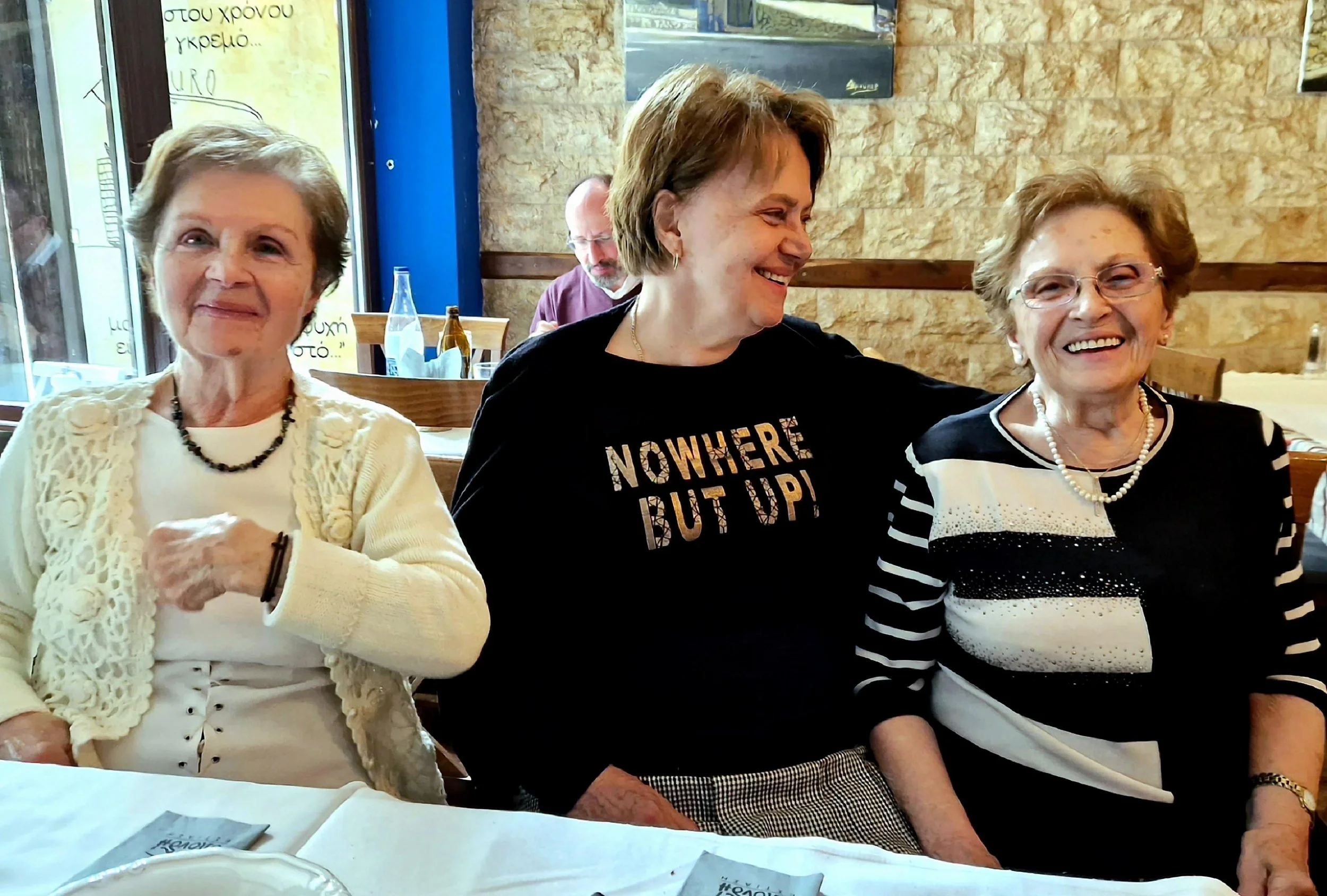
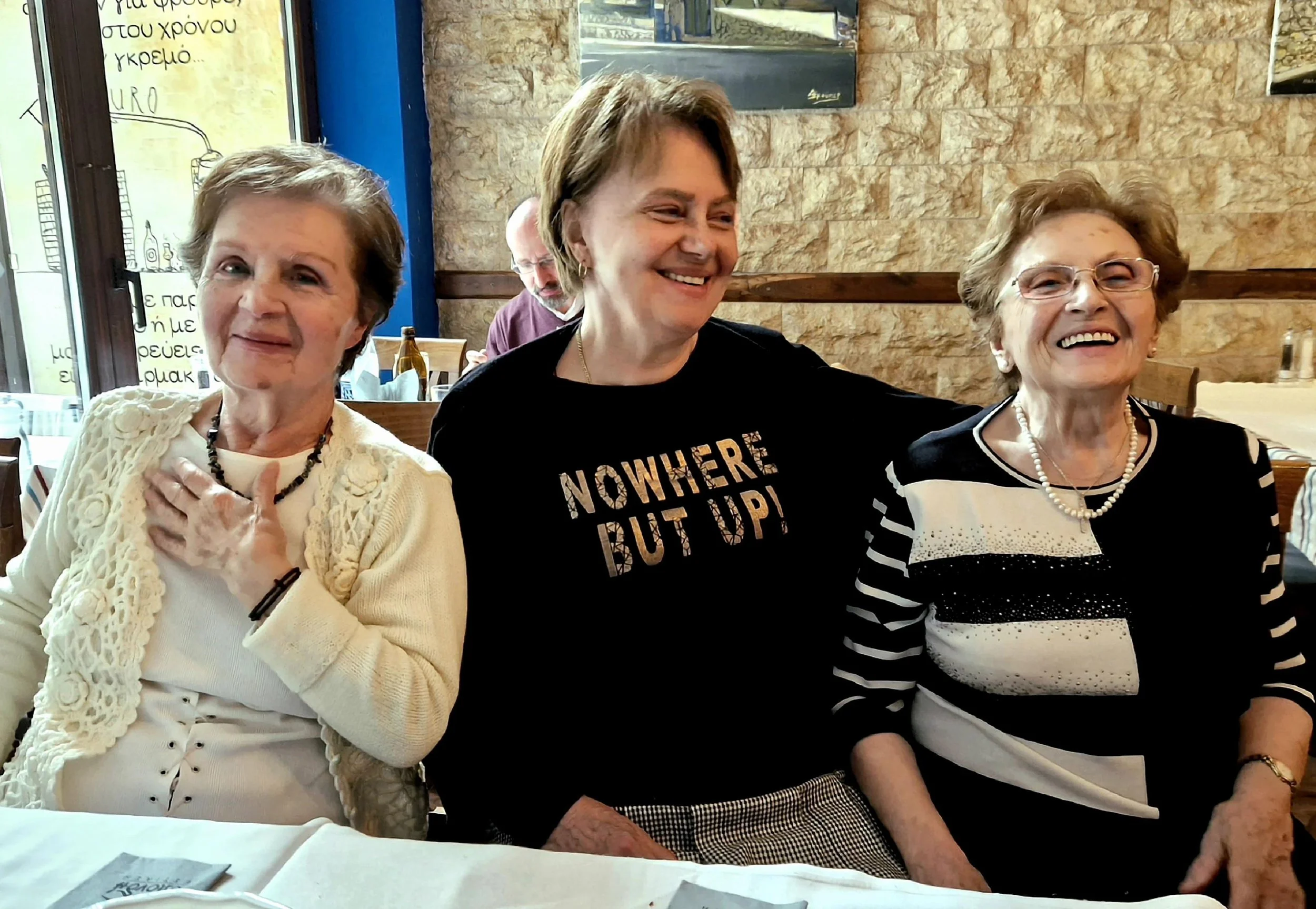
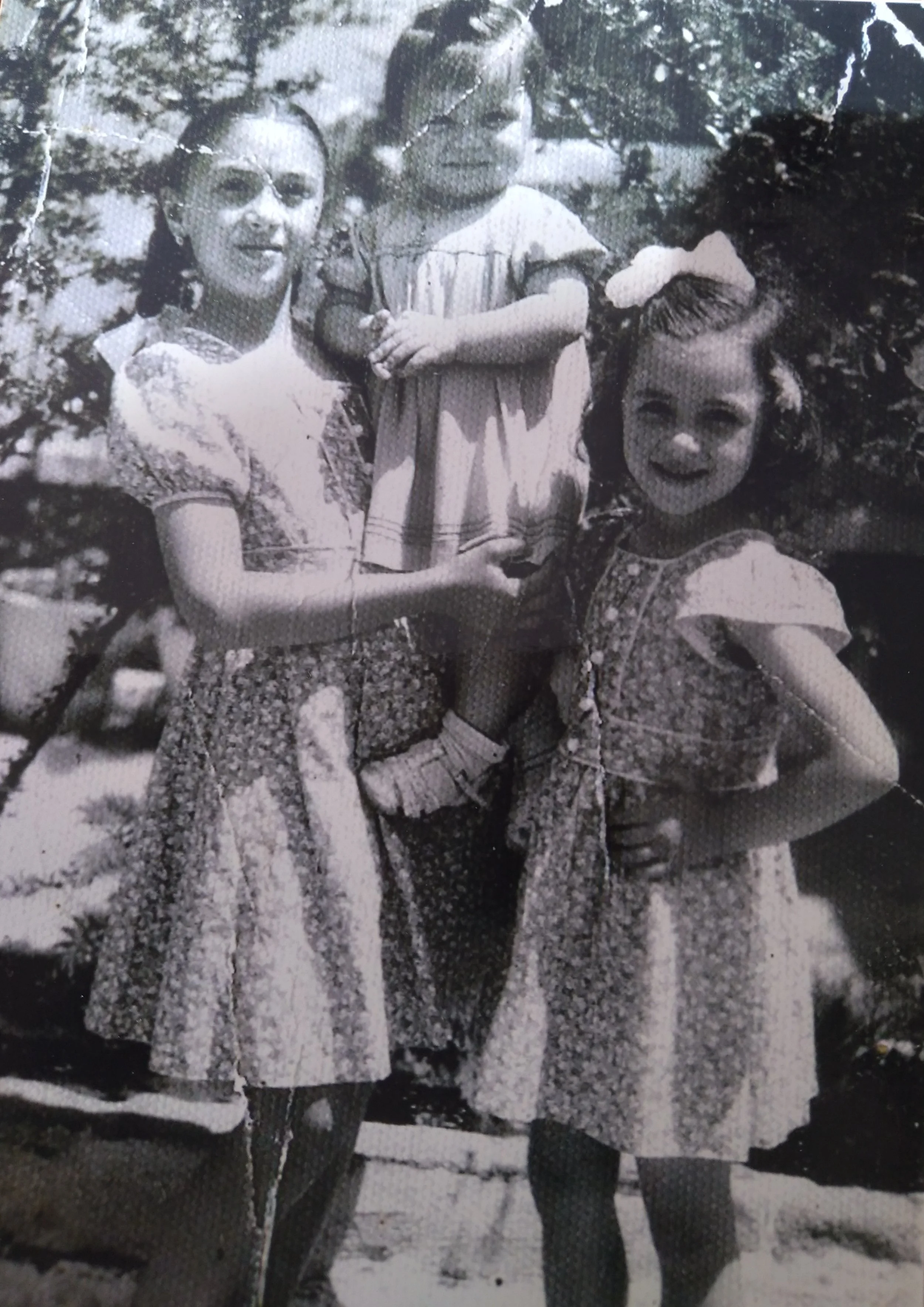
My mum grew up in Naoussa, and as a child I spent many summers and winters here, staying with my grandma and my mum’s family. When we returned together in 2023, it wasn’t only a visit - it was an act of remembering. Of reconnecting with the layers of a place that shaped her, and in turn shaped me without realising it or appreciating it at the time.
A Town Shaped by History
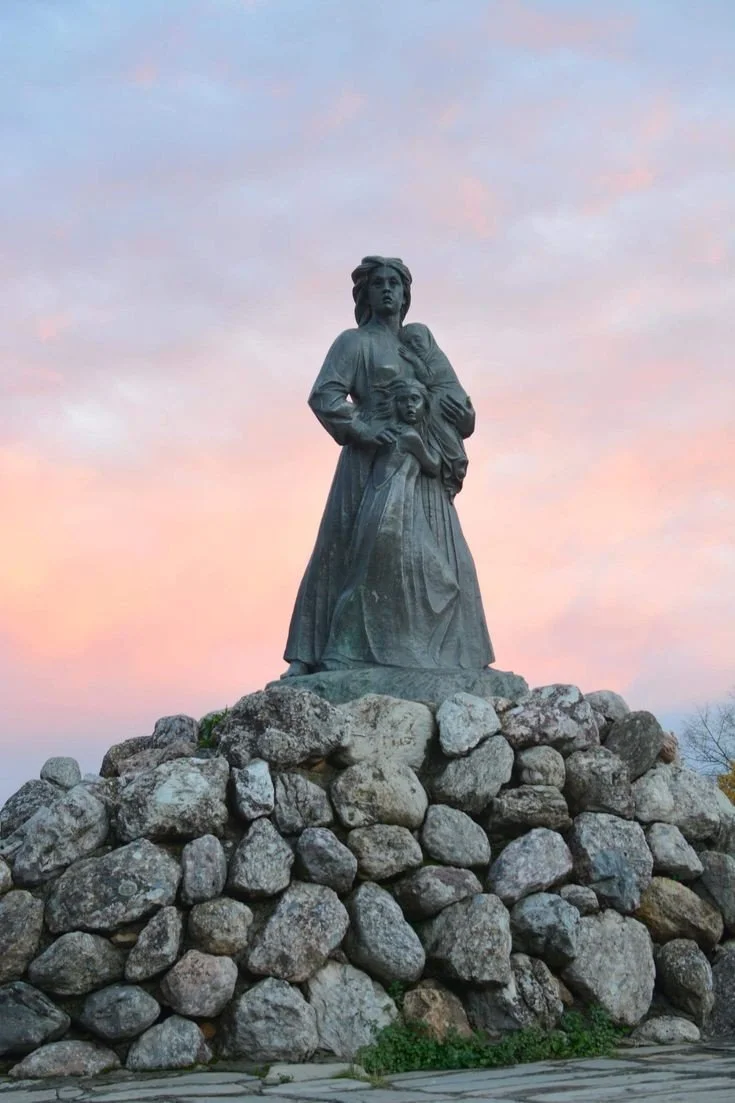
Naoussa’s story is marked by resistance and resilience. Known for its role in the Greek War of Independence, the town carries the memory of sacrifice deeply. The events of 1822 are not abstract dates here; they are woven into local identity, into the way history is spoken about with both pride and quiet gravity.
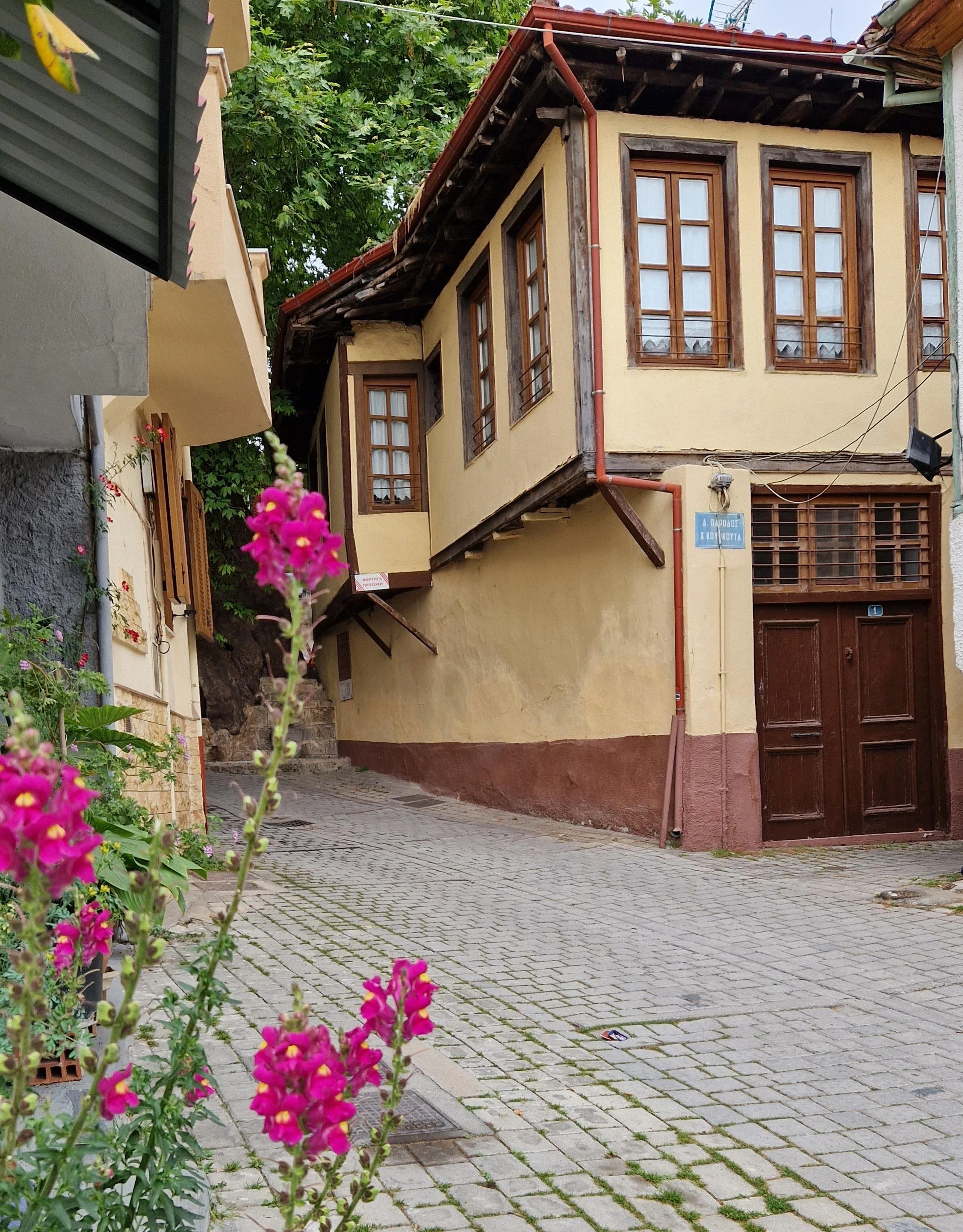
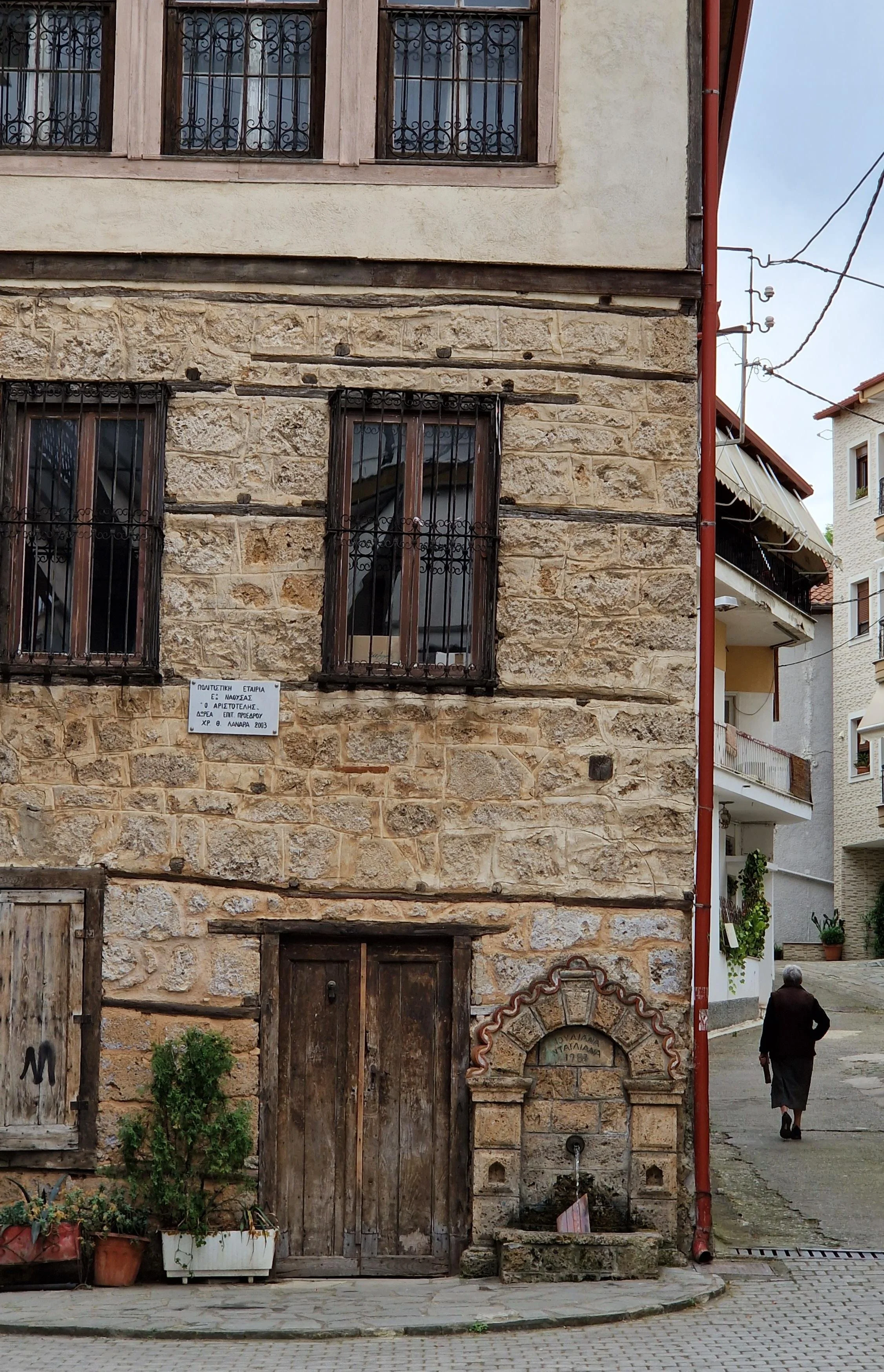
Walking through the older quarters, history becomes tactile. Stone walls bear the marks of time. Water still flows through channels beside cobbled streets. Buildings lean slightly into one another, as if sharing the weight of centuries. Naoussa does not perform its past - it simply exists with it.
Architecture as Memory
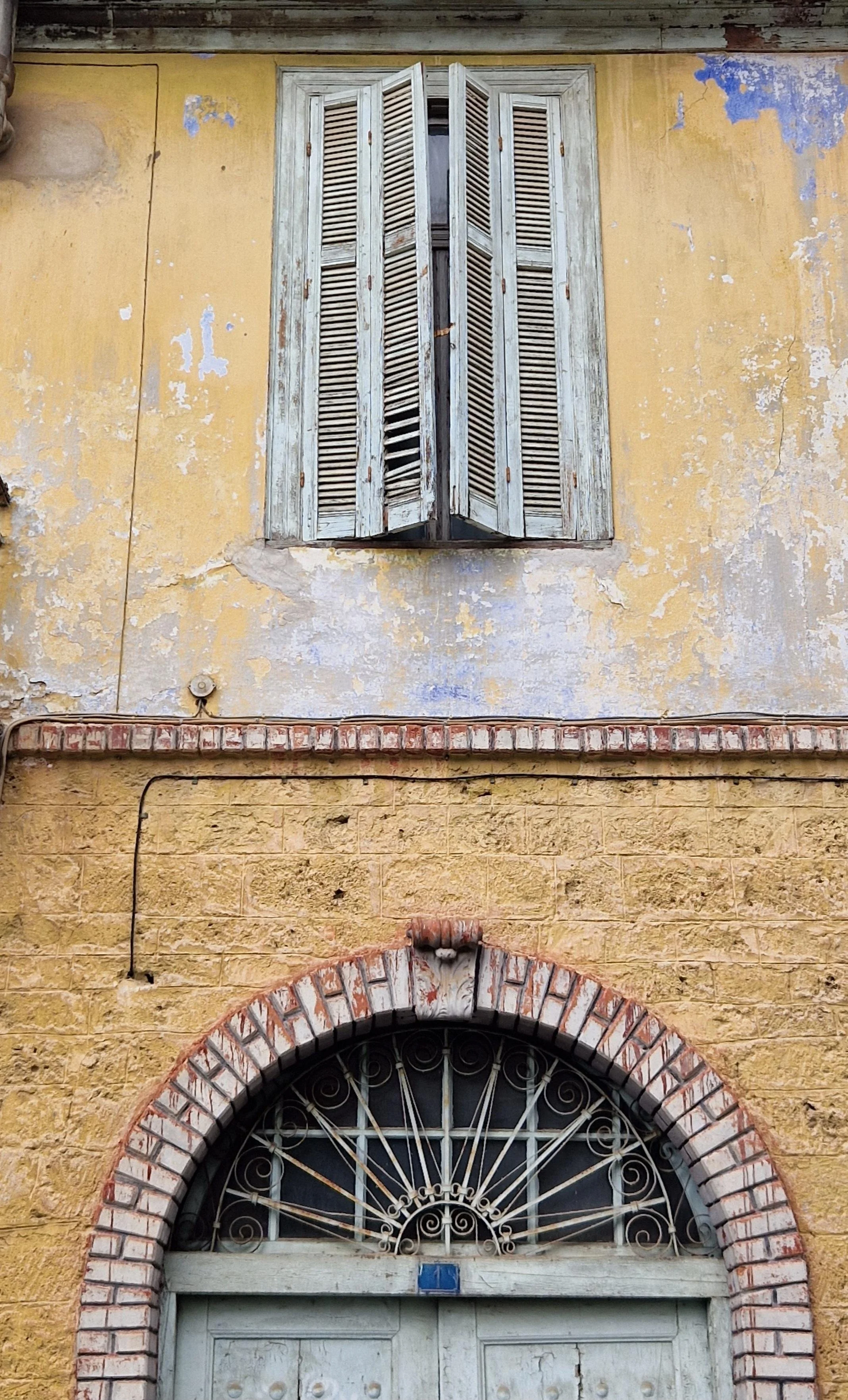
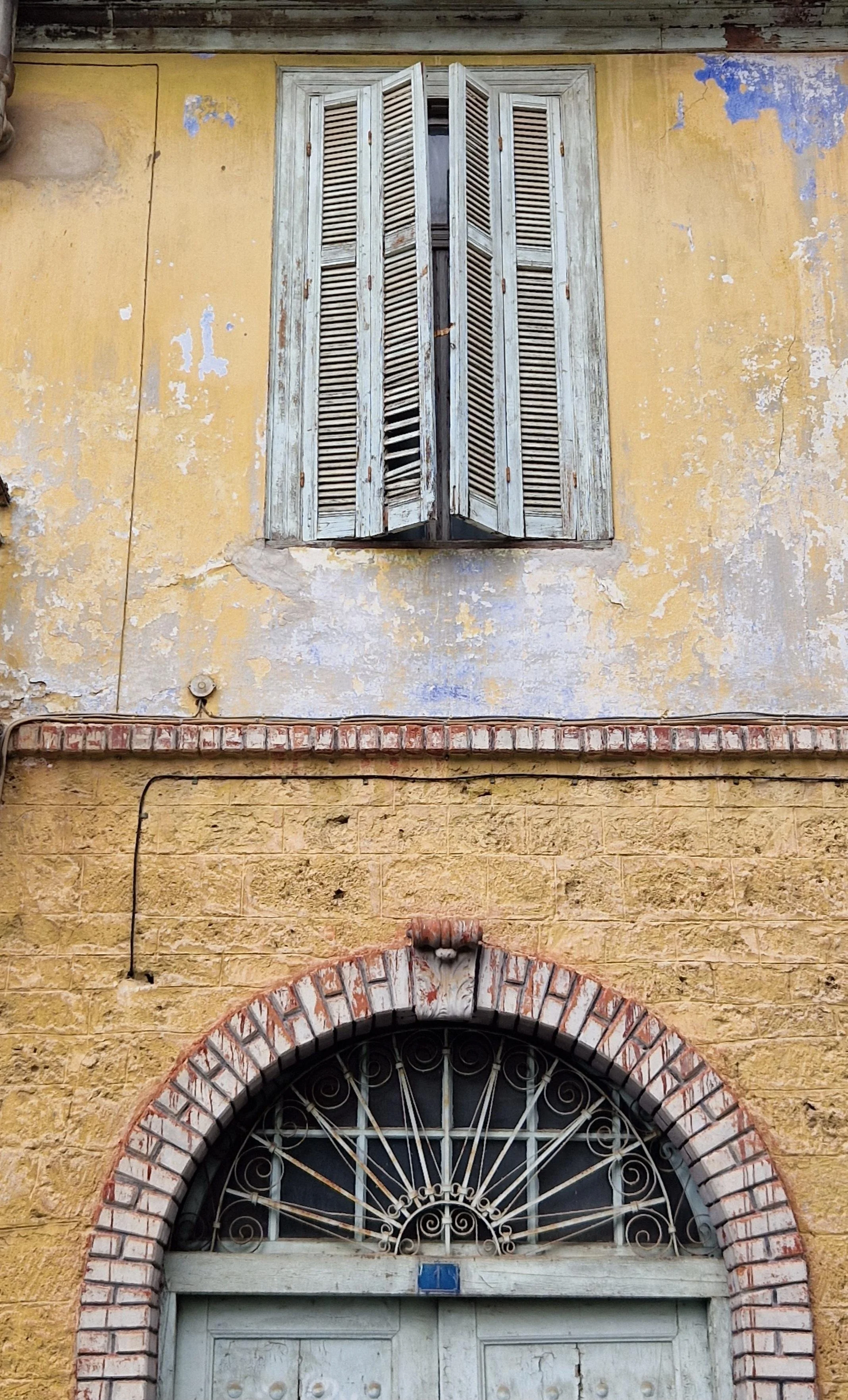
Traditional Macedonian houses define much of Naoussa’s character, even though most of then now in decay. Upper floors project outward over narrow streets, supported by timber frames. Earthy plaster tones meet dark wood, while small windows frame fragments of sky and mountain.
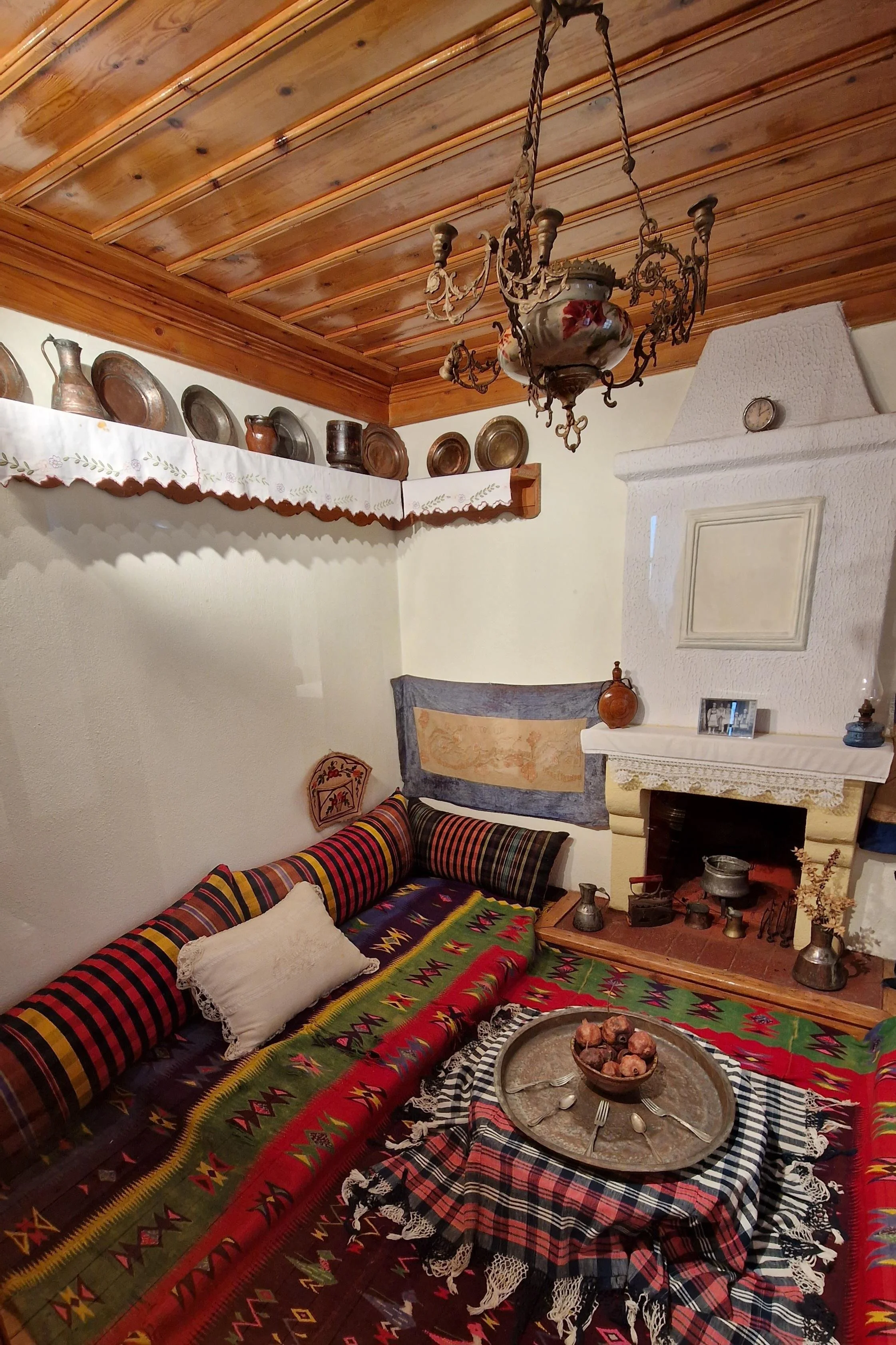
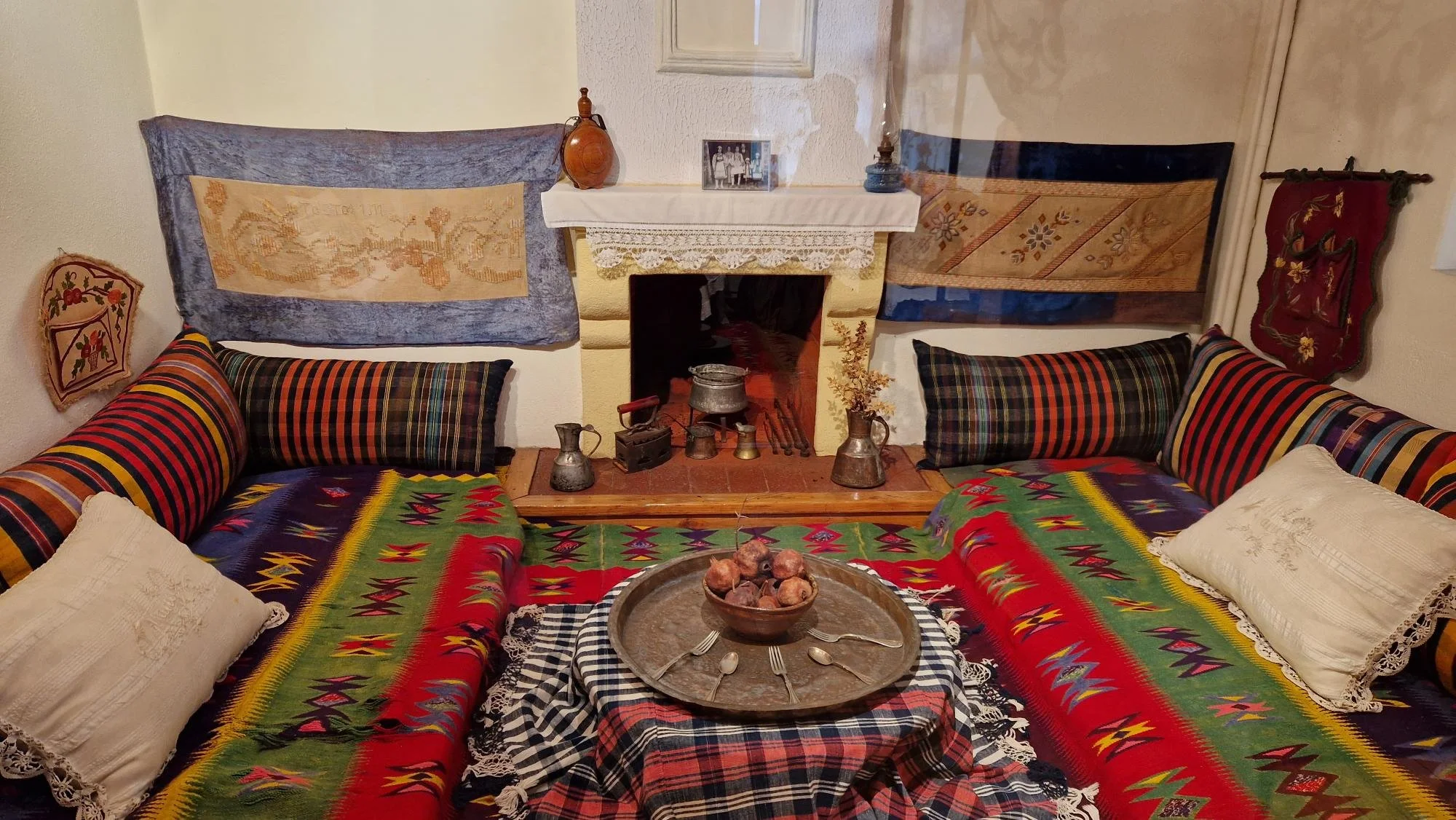
These houses feel protective, inward-looking. They were designed for climate, for privacy, for family life. Inside the details of a past life: patterned textiles, carved chests, copper vessels. My memories of my grandma’s house live in these details.
Apokries and the Genitsaroi & Mpoules
If Naoussa is quiet for much of the year, Apokries transforms it.
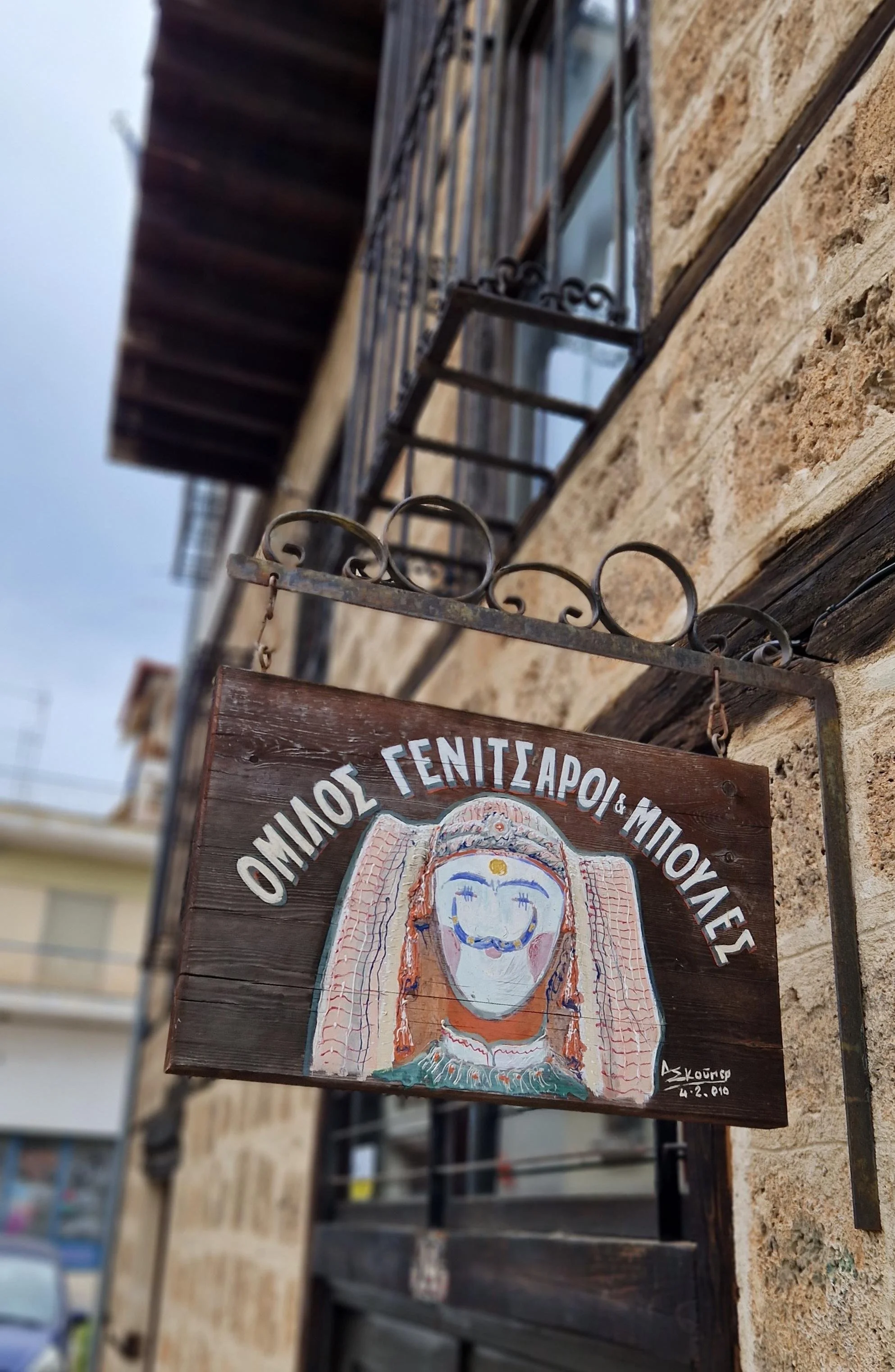
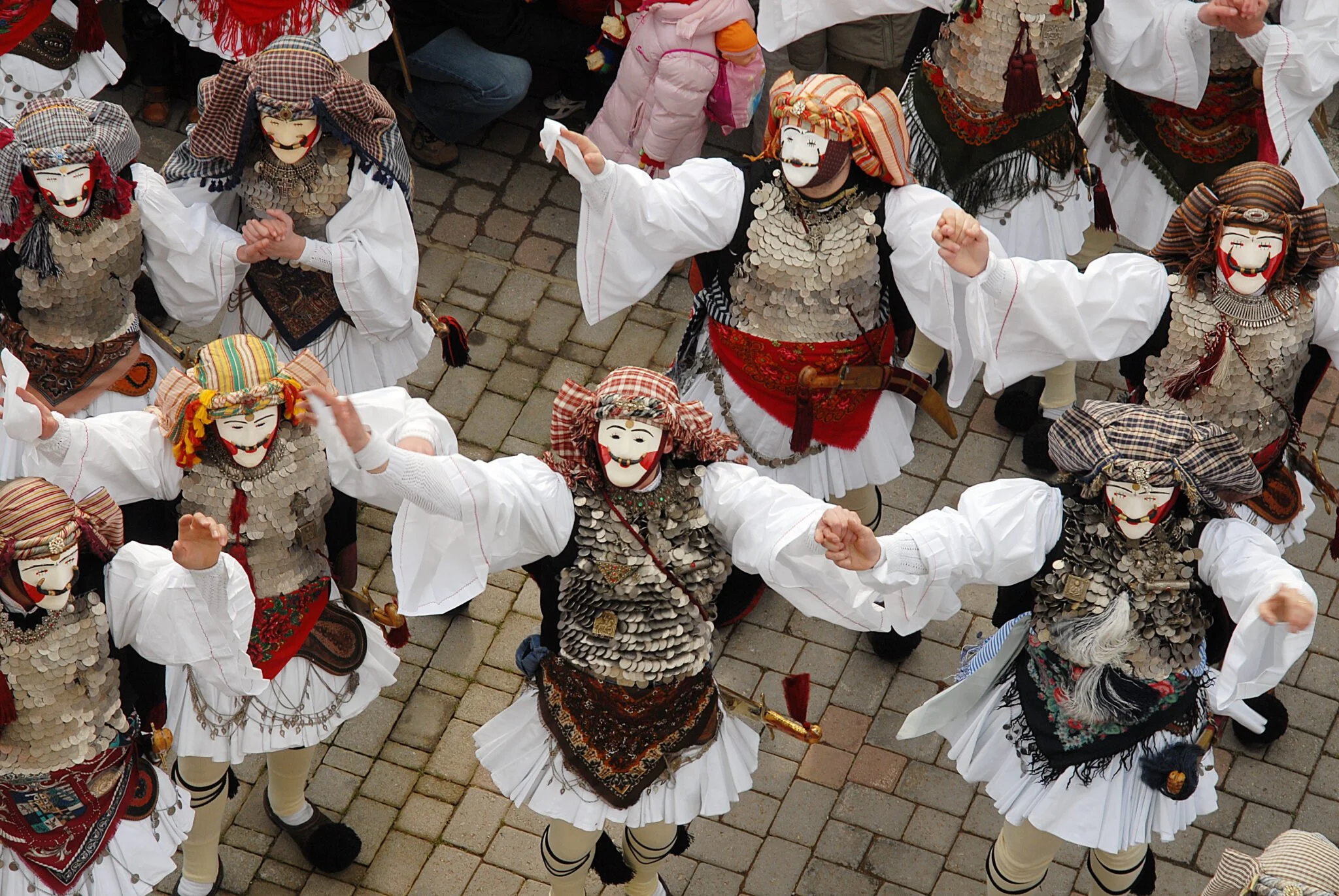
Every February, the town becomes the stage for one of Greece’s most powerful and distinctive carnival traditions: the Genitsaroi and Mpoules. This is not carnival as spectacle - it is ritual.
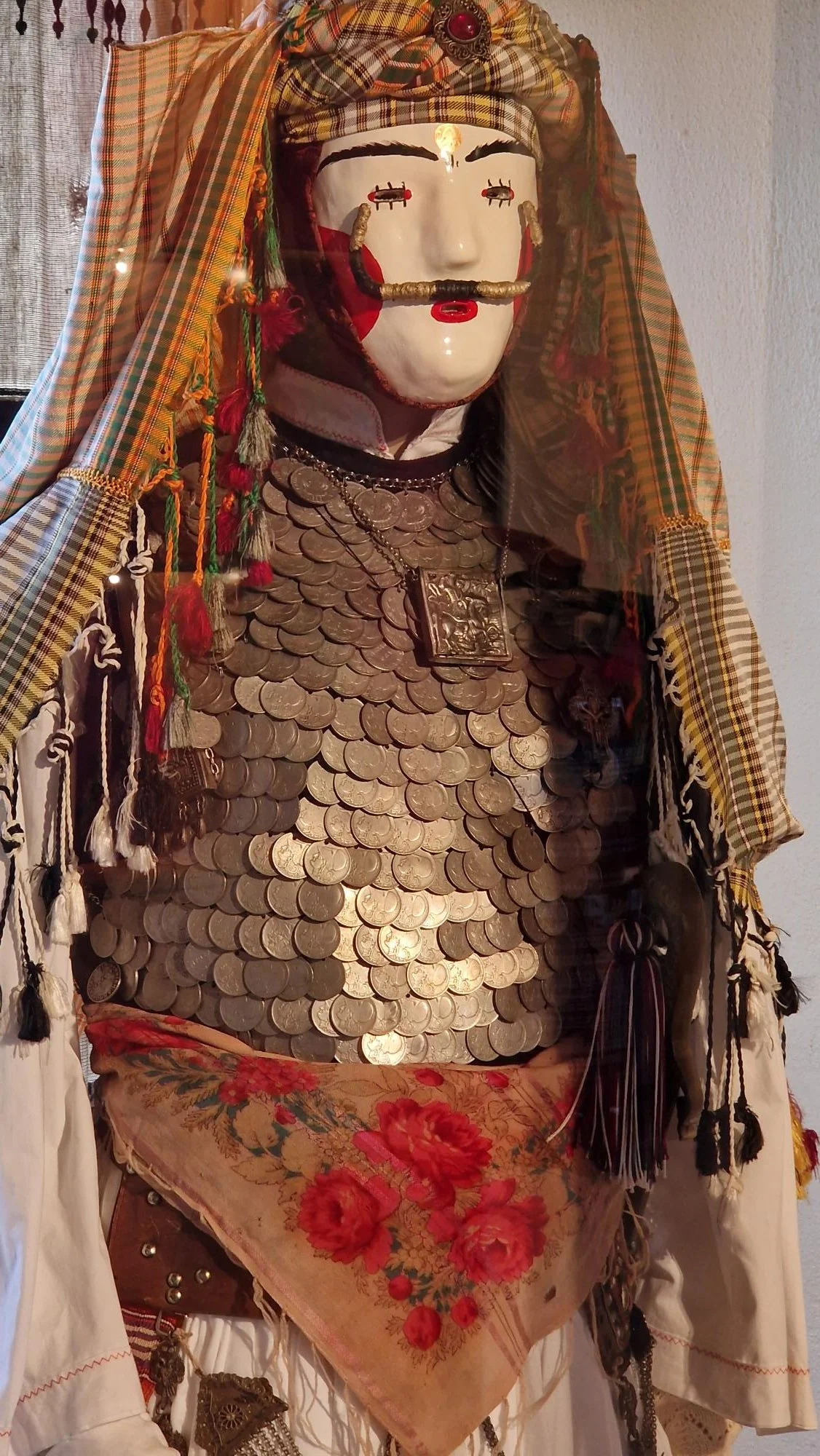
The costume is striking and symbolic. Layers of white pleated garments, embroidered textiles, and above all, the heavy chest covering of silver coins. The sound of the coins is unmistakable: rhythmic, metallic, deliberate. It announces presence long before the dancers appear.
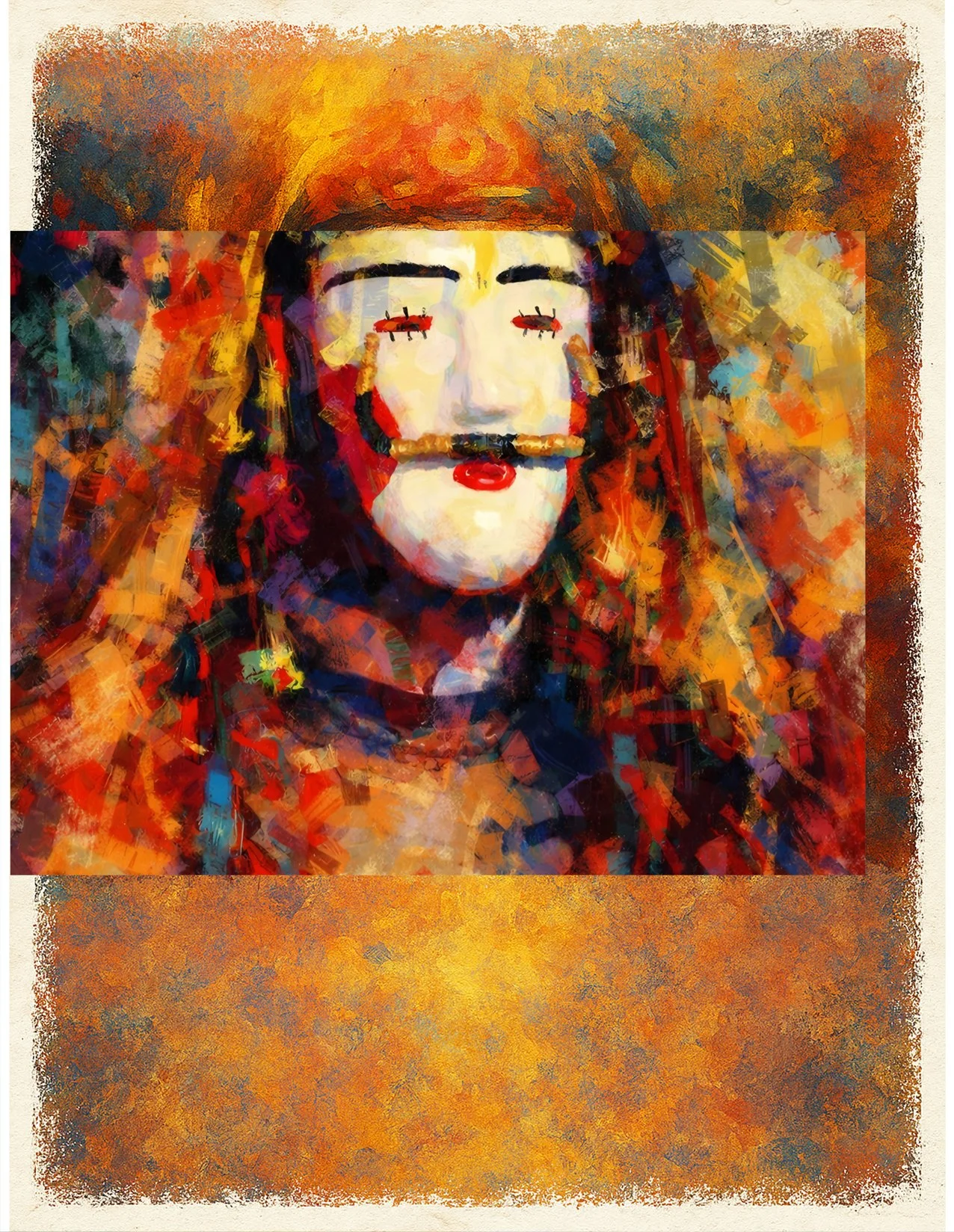
The mask - austere, expressionless - removes individuality. The dancers become carriers of collective memory rather than performers. Movement is controlled, precise, rooted in tradition. The dances unfold through the town’s streets, stopping at significant points, binding public space, history, and ritual into one continuous act.
There is something deeply moving about watching this tradition in the place it belongs. It is not adapted for visitors; visitors are simply allowed to witness it. I did not care as a child but now I appreciate it.
Silver, Weight, and Meaning
The silver coins are not decorative. They carry weight - physically and symbolically. They speak of prosperity and hardship, of continuity, of identity passed down. The dancers move with awareness of that weight. Nothing about the tradition feels light or incidental.
As an adult, returning with my mum, I wanted to understand more about the symbolism. The tradition is not about nostalgia; it is about preservation. About holding onto something intact in a world that changes quickly.
Landscape and Stillness
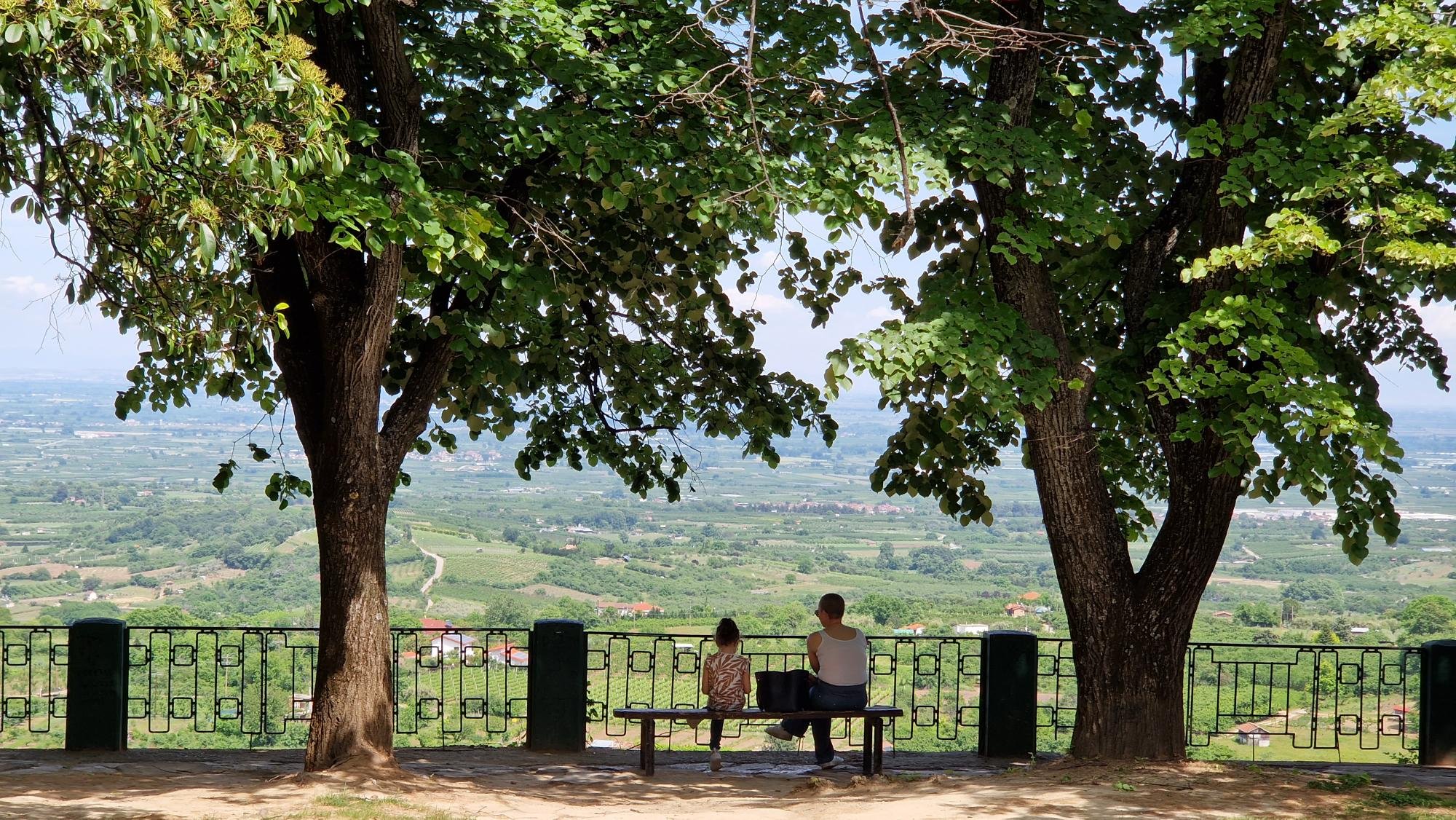
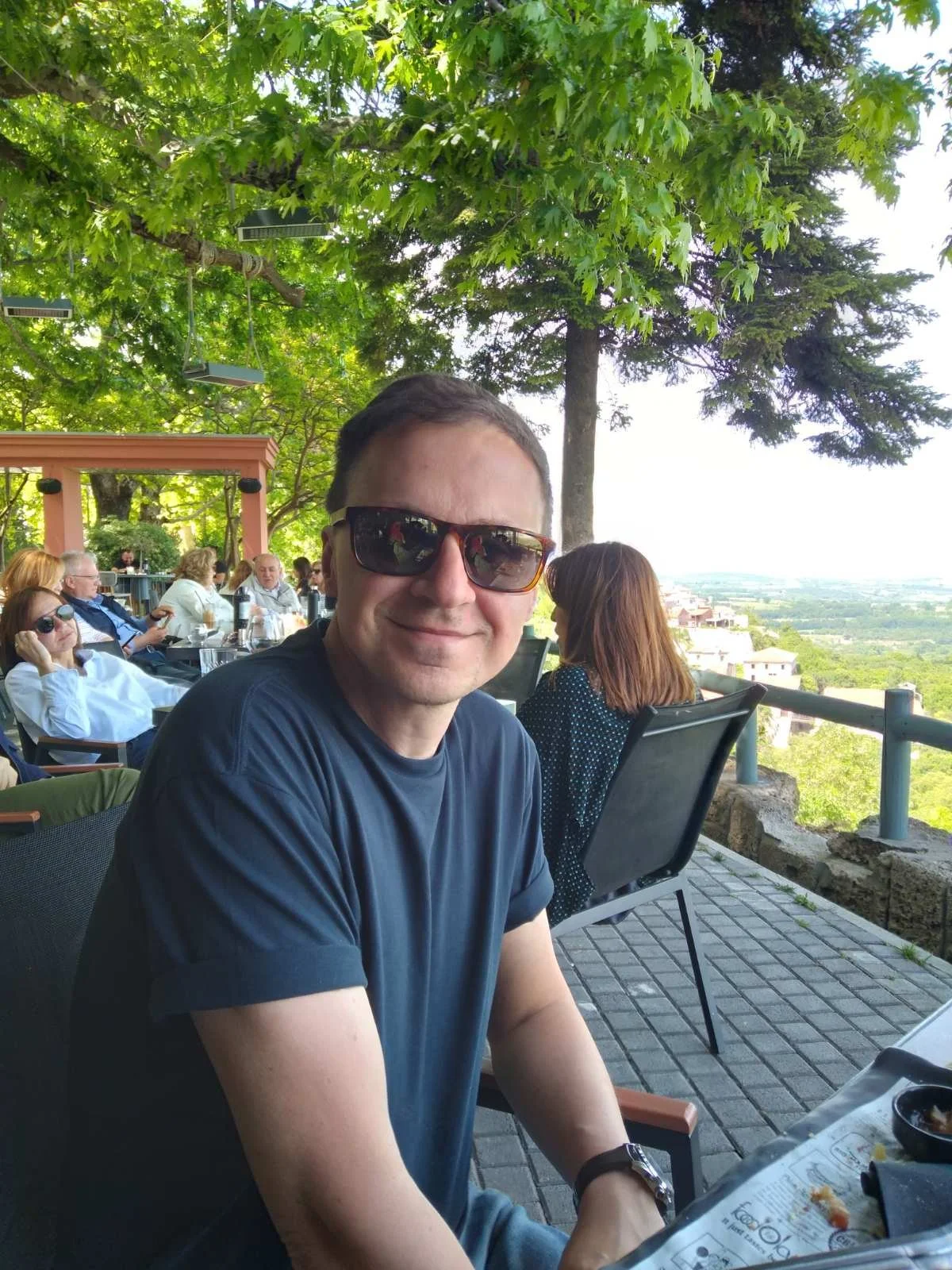
Beyond the town, Naoussa opens onto wide green plains. From viewpoints beneath large plane trees, the land stretches out quietly. Benches invite pause. Conversations soften here.
These landscapes were part of my childhood too - walks, pauses, moments of stillness that balanced the intensity of the town’s history. Returning in 2023, those views felt unchanged. Comfortingly so.
Returning, Not Visiting
Going back to Naoussa with my mum was not about rediscovering something lost. It was about re-seeing it with adult eyes. Understanding how memory, place, and family intertwine.
Naoussa is not a postcard town. It doesn’t offer itself easily. But if you spend time here — if you walk slowly, listen carefully, and allow its rhythms to unfold - it reveals something rare: a sense of continuity.
For me, it is a place where personal memory meets collective history. Where family stories sit alongside national ones. Where tradition is not frozen in time, but carried forward, step by deliberate step, to the sound of silver.
(this blog is accompanied a selection of my photographs from Naoussa - fragments of viewpoints, architecture, ritual, interior spaces and family. They are documents of a place that continues to shape who I am)